Bioblitz Anthura: making biodiversity visible
Biodiversity has a broad and layered meaning for Anthura. As a breeder, we work daily with a wide diversity of plants and genetic material. With our varieties, we contribute to variation, quality, and continuous innovation within floriculture. Although our crops do not occur in the wild, they still demonstrate the power of diversity and the value of carefully managing genetic resources.
At the same time, natural biodiversity is inseparably linked to our core values. This goes beyond genetic diversity alone; we strive for an environment in which we work together with nature. A healthy, biodiverse living environment around our locations, where plants, insects, and animals are given space. We put this into practice, among other things, through a thoughtful mowing policy along waterways and green strips, allowing flowers to bloom and providing insects and other animals with food and shelter.
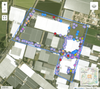
A special initiative within this approach is the Anthura Bioblitz 2026. During this Bioblitz, colleagues work together to map all plants, animals, and other organisms within a defined area around Anthura’s greenhouses. This is done using smart identification tools such as Obsidentify and the Merlin app. Anyone can participate: a walk, a photo, and a recorded observation are often enough. In this way, we bundle the enthusiasm of all colleagues and make biodiversity visible. But it doesn’t stop there. We also go on excursions together on Anthura’s grounds. For example, bird migration in spring and autumn is monitored, plants are identified, and in August we go “moth hunting” at night.
The results show just how much life surrounds us. Since the kick-off in early April, hundreds of plant, animal, and insect species have already been recorded in a short time, including some remarkable and sometimes rare findings. What we encounter around our locations exceeds all expectations. Within a short period, more than 320 different species were observed, clearly showing that the original target of 400 was too low and that much more biodiversity remains to be discovered. The goal was therefore increased to 600 as of May 11. This also seems achievable, as the current count (June 30, 2026) stands at 592.
With the Bioblitz, we bring together discovery, learning, and collaboration. At the same time, it provides us with new insights into what lives around our locations. In this way, we make biodiversity tangible and visible, not just in words, but through observations. This is how we contribute to blooming happiness: in our core business, for our customers, and in the landscape around us, now and into the future.