New battery energy storage system (BESS)
Anthura has installed a battery energy storage system (BESS) in its own 10 kV network. This system consists of multiple connected batteries capable of storing electricity or supplying it to the grid. The BESS acts as a buffer, allowing us to take advantage of pricing volatility in the energy markets to generate revenue.
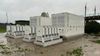
Technical specifications
- Supplier: ProfiNRG
- Type: Huawei Smart String LUNA2000
- Output: 4.472 MW
- Storage capacity: 8.994 MWh
Components:
- 2 battery containers, each with a capacity of 4.47 MWh
- 24 inverters (Smart PCS, 200)
Each container houses 12 battery racks. Each rack is connected to a single inverter that converts direct current (DC) to alternating current (AC) at 800 V. This electrical power then passes through a transformer to our 10 kV network.
Why a BESS?
A BESS makes our energy system more flexible by storing electricity generated by solar panels and CHP plants. This enables us to optimise our energy consumption and respond more effectively to fluctuations in supply and demand. The batteries also create opportunities to participate in energy markets such as the imbalance, day-ahead and intraday markets. Anthura participates in balancing services nationally for TenneT via aFRR (automatic Frequency Restoration Reserve) and locally for Stedin via GOPACS. This installation, therefore, helps to not only reduce costs but also relieve the burden on the electricity grid.
From idea to implementation
The project began with a business case developed by Emmett Green using simulation. The results confirmed a sound investment. A comprehensive tender process followed, after which ProfiNRG was selected to supply Anthura with a Huawei system. No permit was required for the installation, although extensive preparation was key. The steps included:
- Technical: Installing foundations, transformer, battery containers, inverters, cabling and connection with existing systems.
- Coordination: DNO Energy (control box), Emmett Green (energy management system), fire brigade and insurer.
- Administrative: Submitting ESMD forms to Stedin (grid operator), applying for Energy Investment Allowance (EIA), registering for aFRR through DNO, adjusting network configuration (battery separately at a secondary allocation point), concluding energy contracts and determining the electricity market strategy.
From the initial simulation to the system going live, the project took around 18 months. The delivery time for the battery containers and inverters was about five months from the date of order, followed by another month before the installation was commissioned.
The next step
The hardware is in place, but the real challenge now lies in optimising our strategy and control. How can we best use the batteries for storage, supply and emergency power while operating across all the various energy and balancing markets? We will continue to explore this in the coming period.