Project 100% Grown Green
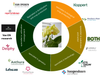
100% Grown Green is a project that focuses on making the cultivation of fruiting vegetables and ornamentals fully sustainable. It aims to grow crops profitably within an integrated, resilient cultivation system using green, biological and technological solutions. In this project, crop protection relies entirely on preventing diseases and pests by boosting plant resilience and, when necessary, using biological and sustainable measures if a disease or pest gets out of control. The project began in 2024 and will run for three years.
Collaboration of various parties
The orchid sector in the Netherlands is also involved in this ambitious project. Orchidee NL is a member of Versnellers Sierteelt, an initiative by ornamental growers to accelerate efforts in disease and pest control and take matters into their own hands. Members of this group have also taken the lead in Grown 100% Green. The project is a collaboration between growers, suppliers and knowledge partners, bringing together various areas of expertise to develop a wide range of sustainable cultivation solutions. Anthura is also keen to contribute to this research. After all, one of our core values is “contributing to a more beautiful world”. Developing sustainable solutions for the cultivation process aligns seamlessly with this vision. Development partners involved in this initiative include Royal Brinkman, Van Iperen, Koppert, Hoogendoorn and Lets Grow.
Pilot teams
The aim of this project is to reduce reliance on chemical crop protection to zero in a sustainable way through biological methods. This will prepare the sector for a future in which many chemical agents will no longer be authorised for use. Six pilot teams have been established through Versnellers Sierteelt and Orchidee NL: OK Plant, Levoplant, Ter Laak Orchids, Stolk Orchids, Opti-flor and Greenbalanz.
Each pilot team consists of a Phalaenopsis company and its development partners. A pilot team includes representatives from breeding companies, advisory partners and suppliers — including those providing biological crop protection agents.
Approach
In the first year, a comprehensive inventory was conducted to assess how crop protection was organised. Key focus areas included hygiene, disinfection of water and containers, preventive control, scouting and monitoring and drawing up a crop protection plan. This awareness process is crucial for transitioning from a curative to a preventive approach — an important step towards reducing the use of chemical crop protection agents.
In the second year, the focus has shifted to gaining experience with the integrated approach: using biocontrol agents to prevent pests and applying green products when there is no alternative. Essentially, this approach optimises crop protection with the goal of further reducing reliance on chemical agents.
The pilot teams meet every six weeks to review progress, discuss current issues, evaluate crop protection results and set targets. They also develop proposals for trials related to plant resilience and/or biological control. Each pilot team discusses the results of these trials internally before sharing them with the other teams.
Resilient cultivation system
The aim is to establish a resilient cultivation system by creating resilient plants through the alignment of climate, water and substrate, preventing diseases and pests from harming the plants.
Resilient plants through green crop protection and biocontrol agents
Instead of relying on chemical crop protection agents, biological alternatives are used — including natural enemies of pests, such as insects or fungi that combat harmful organisms. This approach reduces the environmental impact of cultivation and promotes more sustainable production.
Sustainable cultivation techniques
Beyond crop protection, the project focuses on optimising other cultivation aspects, including climate control, water, irrigation and substrates.
- Climate control: ensuring efficient energy consumption while creating an optimal growth climate for the plants.
- Water and irrigation management: making irrigation systems more sustainable, for example, by using rainwater or circular water technologies.
- Substrate use: improving substrate application and minimising waste, as well as employing microorganisms to optimise root development. Research into the plant microbiome is essential for better understanding substrate use.
Use of technology
Technology is extensively used to monitor and optimise cultivation processes. This includes sensors, automated irrigation systems, data-driven climate control and data collection to simplify scouting. These technologies help growers work more efficiently while reducing environmental impact.
Objectives for 2026
The ultimate goal of the project is 100% green and profitable cultivation methods for various vegetable crops like sweet pepper, tomato, aubergine and cucumber — and ornamental crops like Chrysanthemum, Gerbera, Phalaenopsis, Alstroemeria and Kalanchoe. By combining these strategies and collaborations, the project aims to shape a future greenhouse horticulture that relies far less on chemical agents and aligns more closely with sustainability goals.